
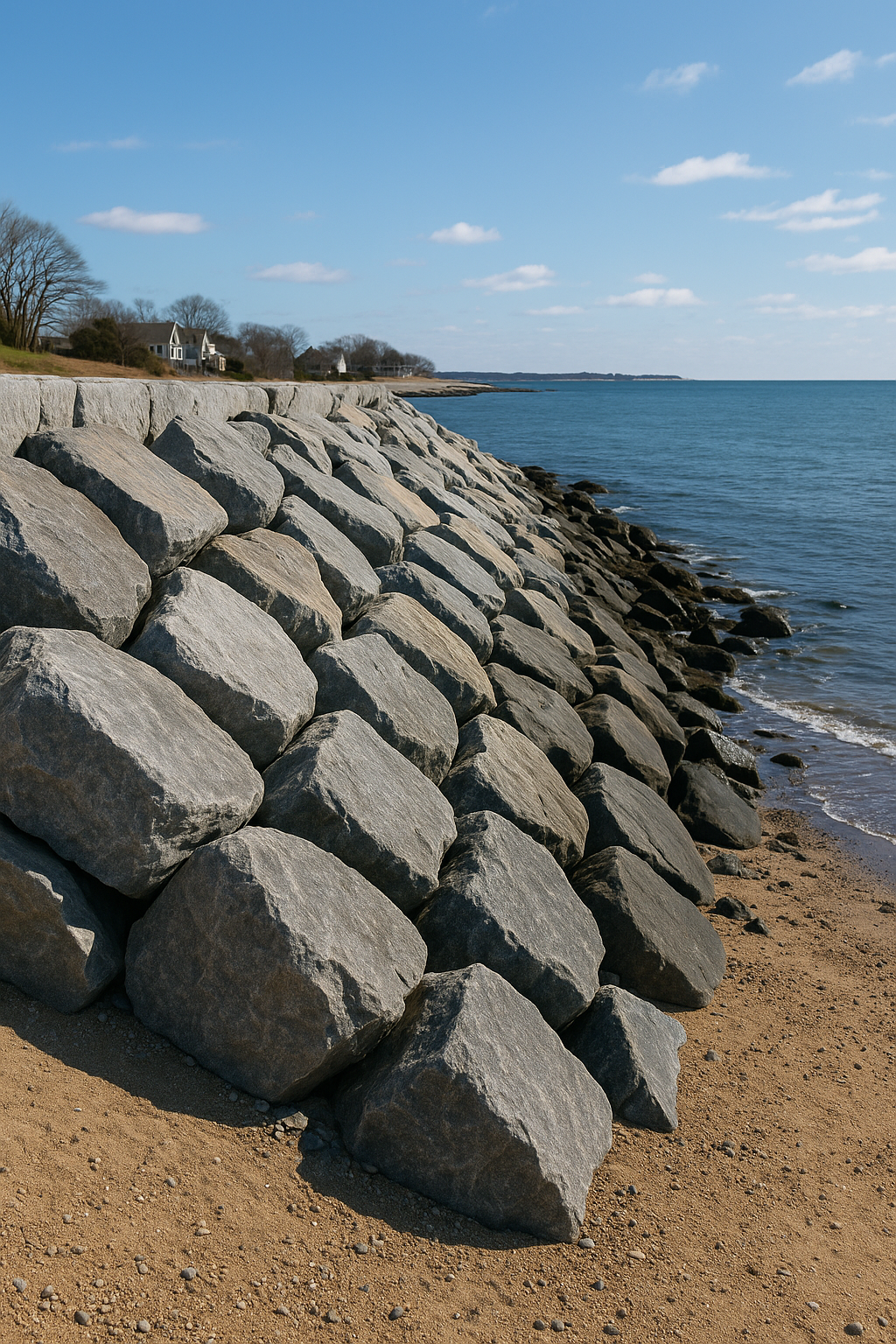
Understanding How Freeze and Thaw Cycles Damage Seawalls in Connecticut and Rhode Island
As coastal areas like Westerly, RI, and Connecticut face the harsh realities of winter weather, understanding the impact of freeze and thaw cycles on seawalls becomes crucial. Seawalls serve as critical barriers protecting our shorelines from erosion and storm surges. However, these structures are not impervious to the elements. In this article, we will delve into how freeze and thaw cycles can damage seawalls and offer practical advice for business owners to maintain their coastal defenses effectively.
What Are Freeze and Thaw Cycles?
Freeze and thaw cycles refer to the process of water freezing and then thawing as temperatures fluctuate. In the coastal regions of Rhode Island and Connecticut, these cycles can occur multiple times throughout the winter months, particularly in areas near the water where humidity levels are high.
The Science Behind Freeze and Thaw Damage
Water expands when it freezes, increasing in volume by approximately 9%. When water infiltrates cracks or pores in a seawall and subsequently freezes, the resulting expansion can exert significant pressure on the surrounding material. This pressure can lead to:
- Cracking: Small cracks can grow larger, compromising the structural integrity of the seawall.
- Spalling: Pieces of concrete or stone can chip away, weakening the wall.
- Settlement: Damage can cause shifts in the seawall’s positioning, leading to potential failures.
Common Types of Seawall Damage Due to Freeze and Thaw Cycles
Understanding the types of damage that can occur helps business owners prepare and address issues before they escalate. Here are some common forms of damage:
1. Surface Cracking
This is the most visible type of damage, where cracks appear on the seawall’s surface. While they may seem minor, these cracks can allow water infiltration, leading to more severe problems.
2. Erosion
Repeated freeze and thaw cycles can hasten erosion along the base of the seawall. The continual stress can wash away materials, leading to instability.
3. Structural Failure
In extreme cases, if a seawall is not regularly maintained, freeze and thaw cycles can lead to catastrophic structural failures, necessitating costly repairs or complete replacements.
Preventative Measures for Business Owners
For business owners along the Southern New England Coast, taking proactive steps to protect seawalls is essential. Here are some practical tips:
1. Regular Inspections
Schedule regular inspections of your seawall, especially before and after winter. Look for signs of cracking, erosion, or other damage. Early detection can save you from extensive repairs later.
2. Sealant Application
Applying a high-quality sealant can help reduce water infiltration into the seawall. Check with professionals about suitable products for your seawall material.
3. Drainage Improvements
Ensure that drainage systems are functioning properly to direct water away from the seawall. Standing water can exacerbate freeze and thaw damage.
4. Reinforcement
Consider reinforcing your seawall with materials that can withstand freeze and thaw cycles better than traditional concrete. Consult with a local expert to explore your options.
When to Seek Professional Help
While regular maintenance is vital, some issues require professional expertise. If you notice significant cracking, erosion, or other structural concerns, it’s time to contact a local expert. Ocean County Construction specializes in seawall repair and maintenance for businesses across Greenwich, Stamford, Milford, Branford, Niantic, Old Lyme, Essex, Old Saybrook, Madison, Stonington, Pawcatuck, Westerly RI, Narragansett RI, Newport RI, Wickford RI, Barrington RI, Bristol RI, New Rochelle NY, Larchmont NY, Mamaroneck NY, Garrison NY, and the Hudson River Valley NY.
Cost Considerations for Seawall Repairs
The cost of seawall repair can vary based on the extent of the damage and the materials used. On average, business owners can expect to spend between $100 to $500 per linear foot for seawall repairs, depending on various factors. Regular maintenance can significantly lower these costs by preventing severe damage from occurring.
Conclusion
Understanding the impact of freeze and thaw cycles on seawalls is crucial for coastal business owners in Rhode Island and Connecticut. By implementing preventative measures and seeking professional advice when necessary, you can protect your investment and ensure the longevity of your seawall.
Don’t wait until it’s too late. Contact Ocean County Construction today at 860.287.0036 to discuss seawall maintenance and repair options tailored to your needs. Together, we can protect your business and our beautiful coastal environment.
For more information, visit our website, check out our services page, or reach out to us directly. Let’s work together to safeguard your seawall from the damaging effects of freeze and thaw cycles!
